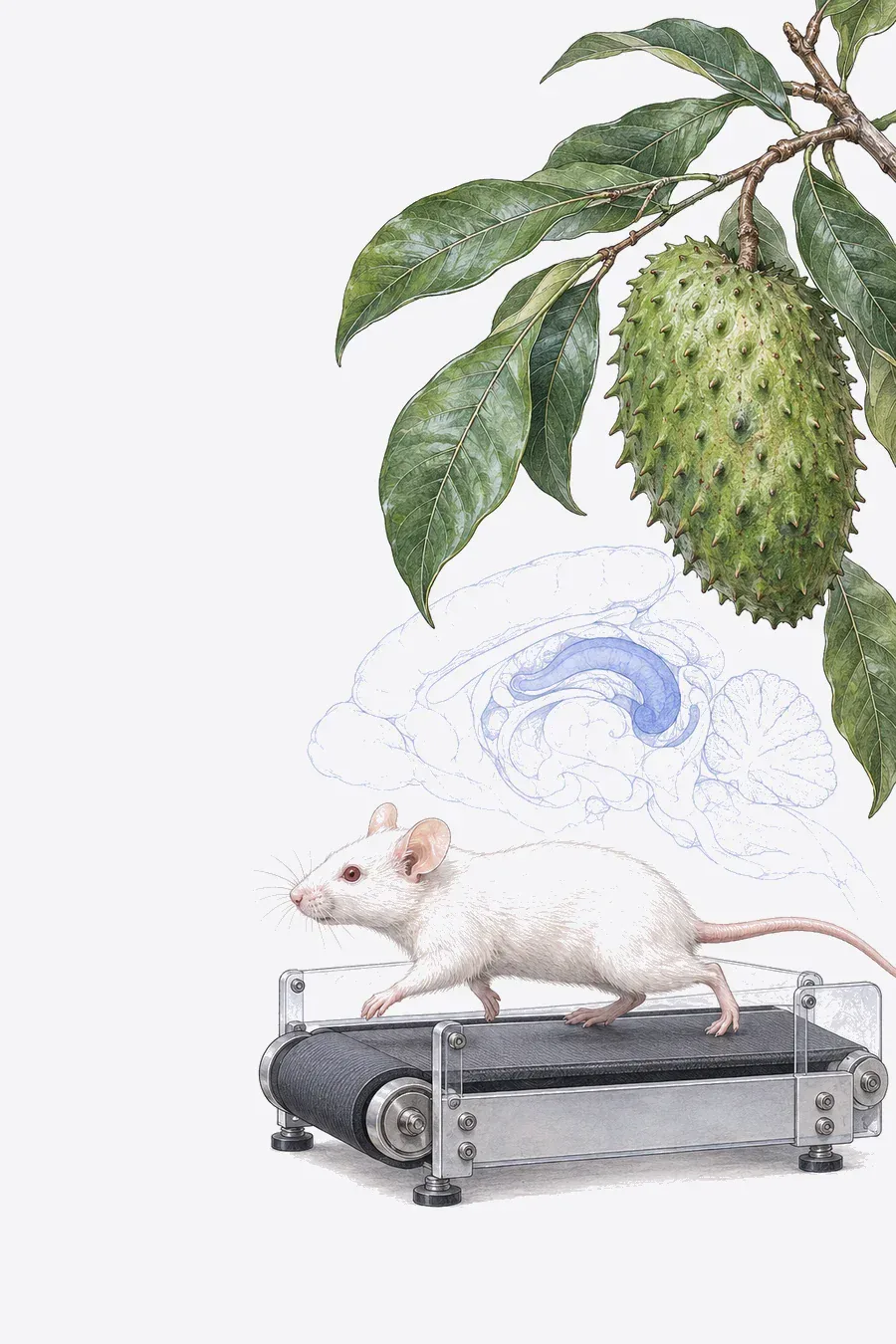
The Possible Impacts of Graviola Leaf Extract and Exercise on Depression-Like Behavior in Mice
Walaa Adel Mohamed Youssef
B.Sc. Clinical Pharmacy, Faculty of Pharmacy, Alexandria University, 2020
2026
Mechanisms implicated in depression and measured in the hippocampus
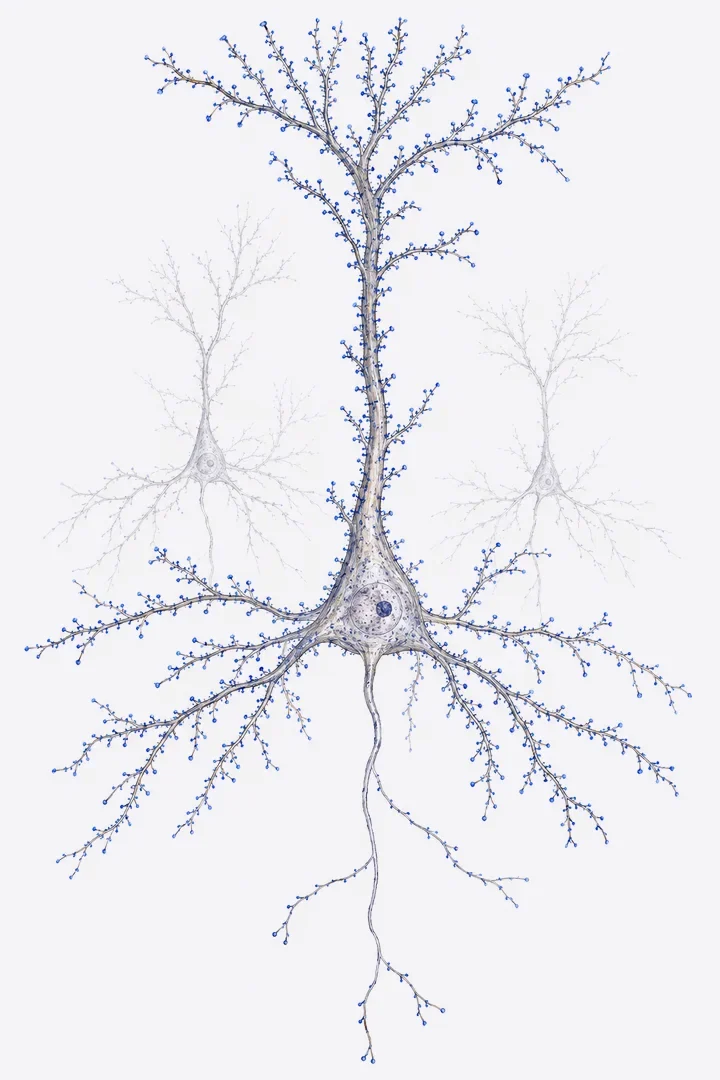
Monoaminergic deficit
Reduced serotonin, dopamine and noradrenaline signalling.
Oxidative stress
Impaired Nrf2-dependent antioxidant response, glutathione depletion and lipid peroxidation.
Neuroinflammation
Increased pro-inflammatory cytokines, including TNF-α.
Neurotrophic deficit
Reduced CREB1–BDNF signalling and impaired hippocampal plasticity.
Non-coding RNAs
miR-124 and miR-134 upregulated; LINC00473 reduced, specifically in females.
SIRT1
NAD⁺-dependent deacetylase; reduced activity is associated with depressive-like phenotypes and impaired Nrf2 signalling.
One reference drug, one botanical extract and one physical intervention
Fluoxetine
Selective serotonin reuptake inhibitor, used as the positive control.
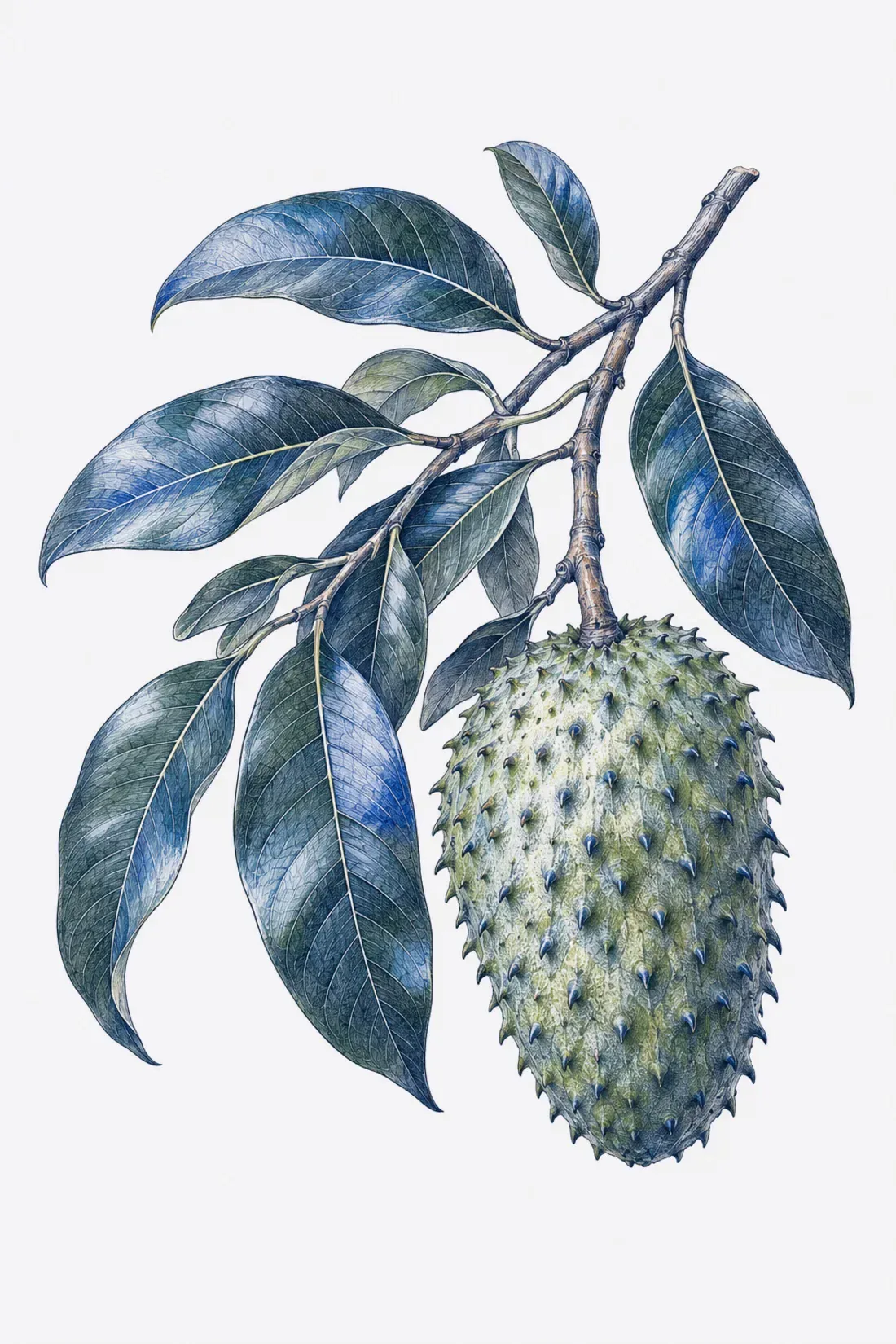
Annona muricata leaf
Anxiolytic, anti-inflammatory and antidepressant activity reported in vivo.
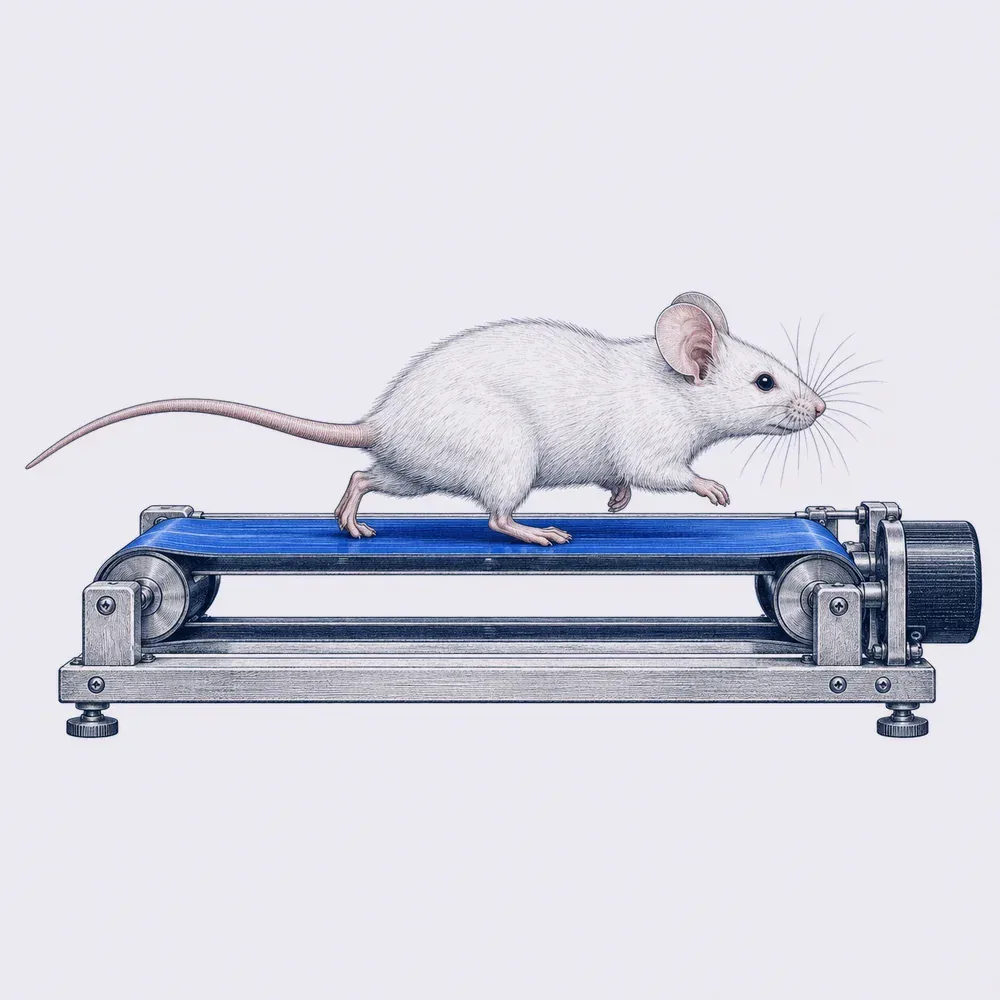
Treadmill exercise
Acts on monoamine release, neurotrophic factors, inflammation and miRNA expression.
To investigate the antidepressant effect of treadmill exercise and Annona muricata leaf extract, alone and in combination, compared with fluoxetine, in reserpine-treated female mice.
- Behaviour
- Forced swim test immobility
- Neurochemistry
- Hippocampal serotonin, dopamine, noradrenaline
- Redox · inflammation
- Nrf2, total glutathione, FRAP, MDA, TNF-α
- Gene expression
- CREB1, BDNF, SIRT1, LINC00473, miR-124a, miR-134
- Histology
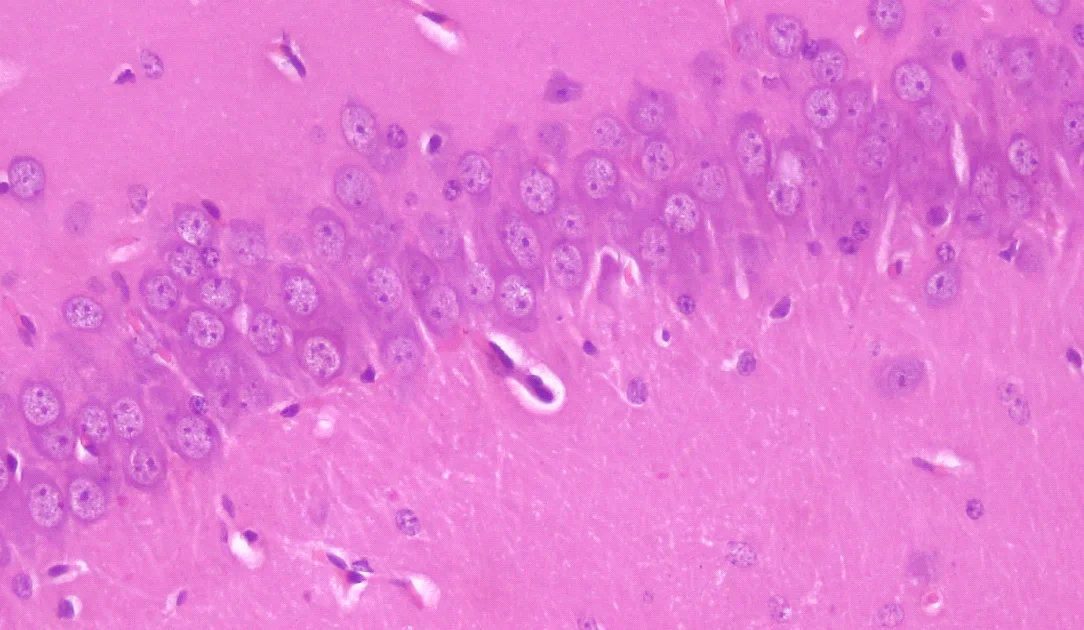
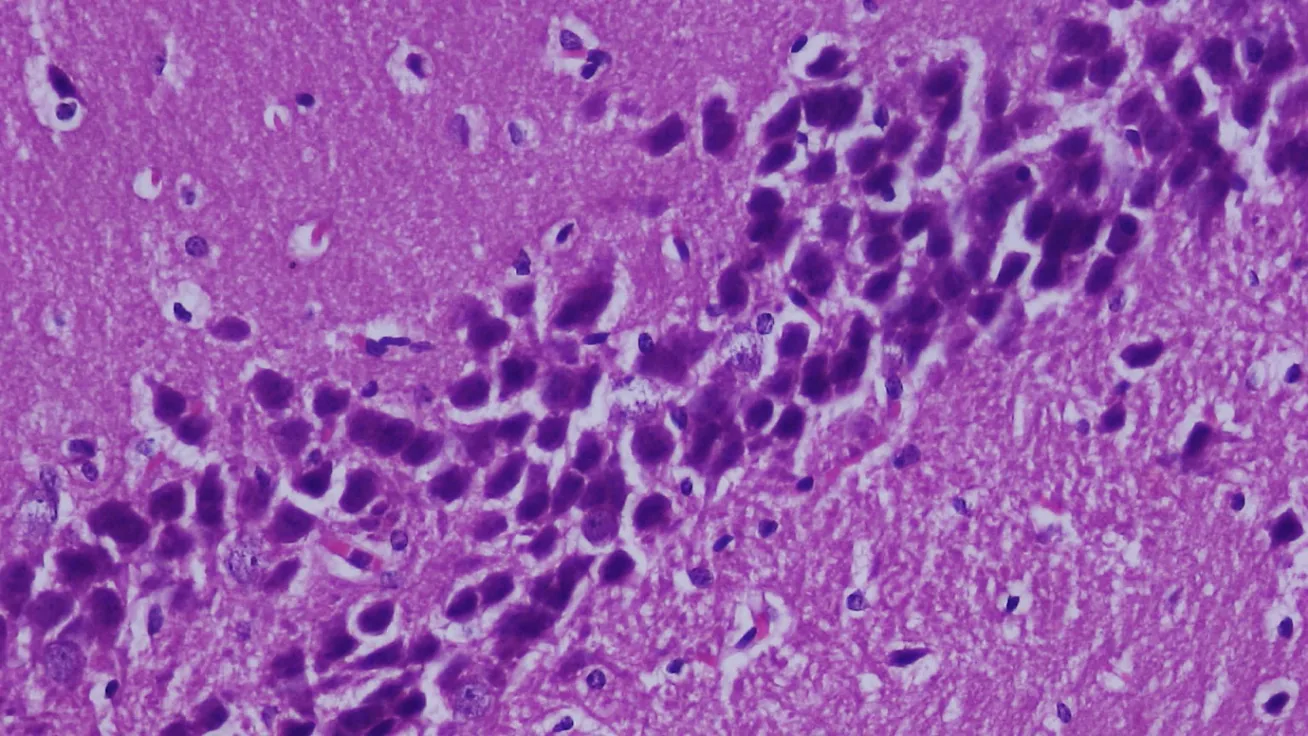
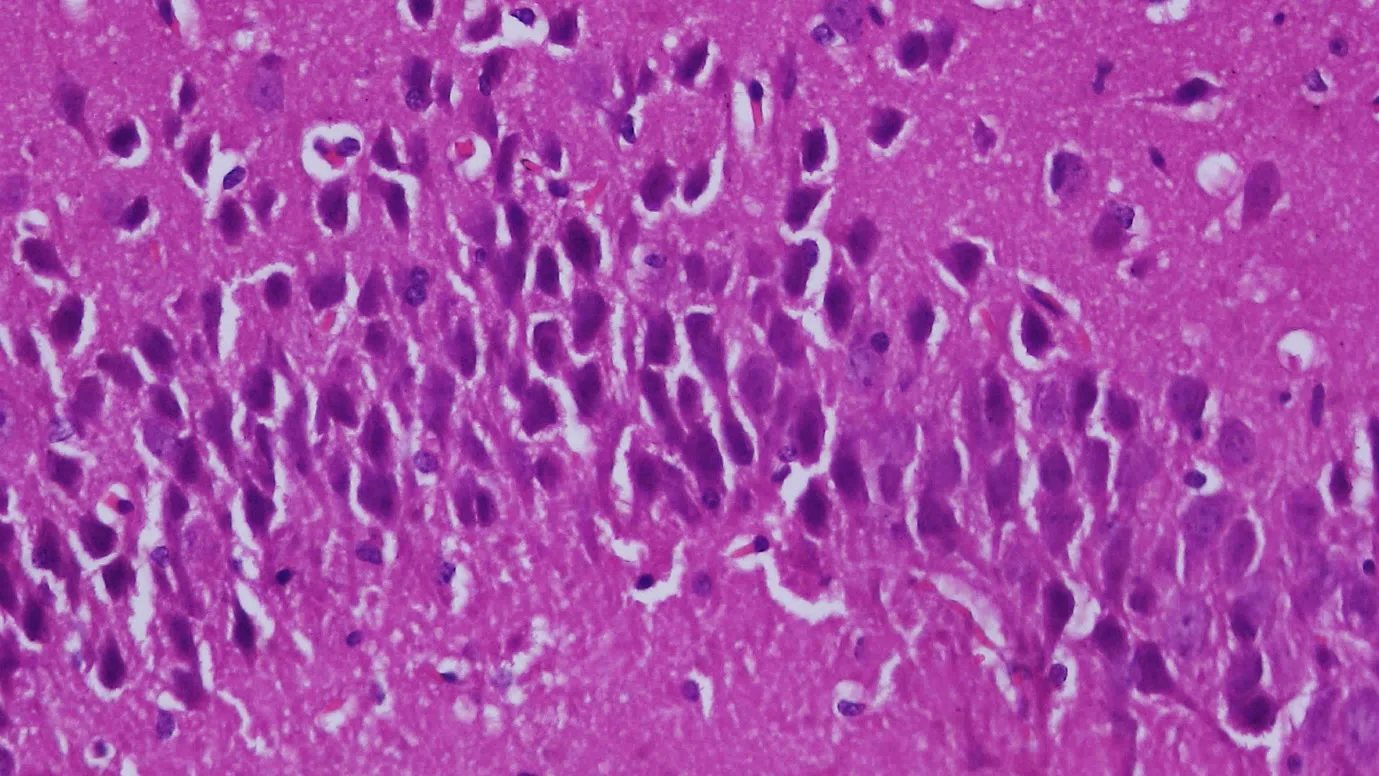
- CA3 pyramidal layer, H&E
Allocation of 56 mice to seven groups
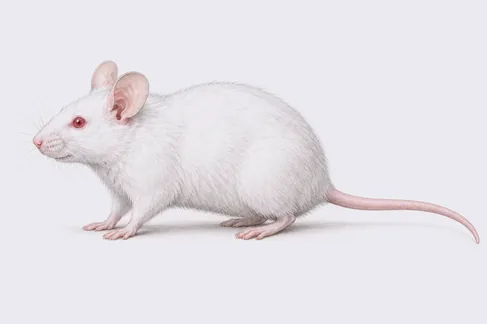
Swiss albino mice, 18–25 g. Baseline FST did not differ between groups.
Reserpine
0.1 mg/kg/day, i.p.
Day 5 FST confirmed the model. Treatments then ran daily for 4 weeks.
Each hippocampus was divided for histology, biochemistry and gene expression
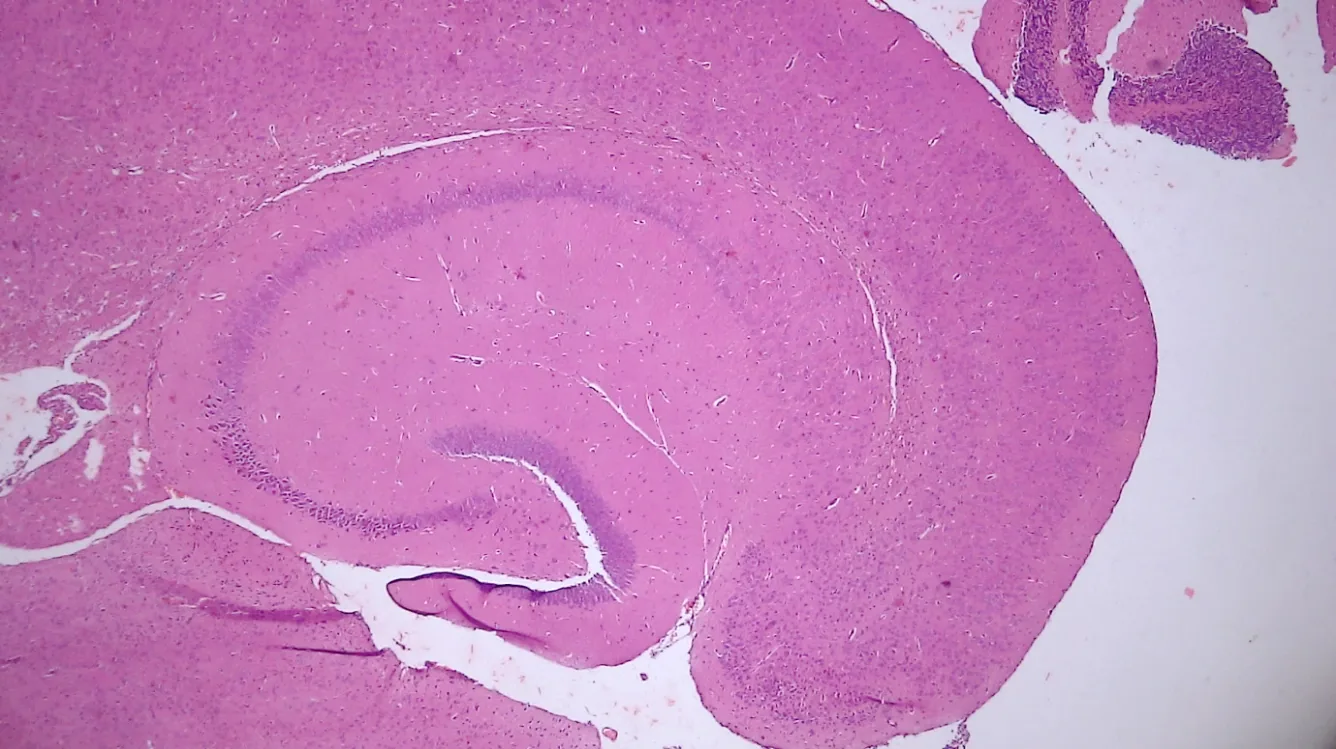
Histopathology
10% formalin, paraffin, 4.5 µm H&E sections; blinded morphometry, ImageJ; n = 5 per group
Neurochemistry and redox
5-HT, dopamine, noradrenaline by competitive ELISA; total GSH, FRAP, MDA, total protein by colorimetry
qRT-PCR
Nrf2, TNF-α, CREB1, BDNF, SIRT1, LINC00473 vs 18S rRNA; miR-124a, miR-134 vs U6; ΔΔCt
Reserpine increased immobility time in the forced swim test by 69%
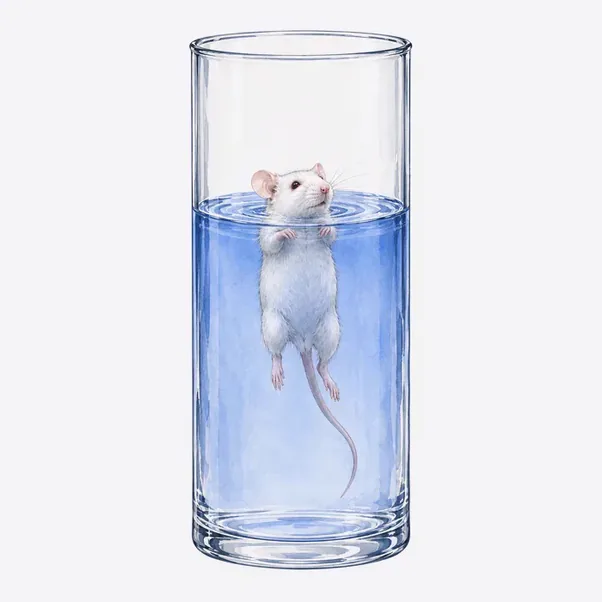
Immobility relative to vehicle-treated controls after reserpine
Immobility time
s, mean ± SDStudent's t = 11.16 · p < 0.001 · n = 8 per group
CA3 pyramidal layer: control, reserpine and fluoxetine
CA3 pyramidal layer: exercise, graviola and the combinations
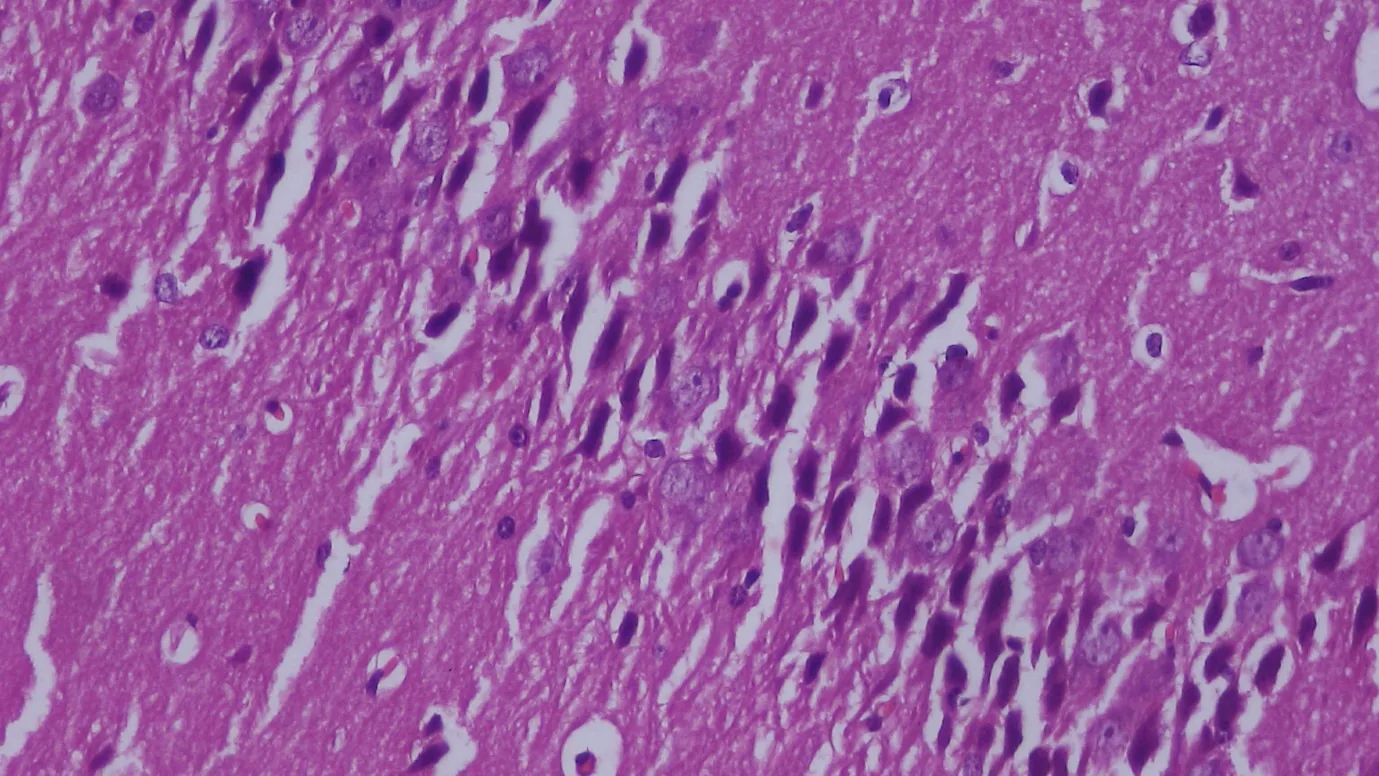
Partial improvement
Shrunken and apoptotic neurons, few normal cells
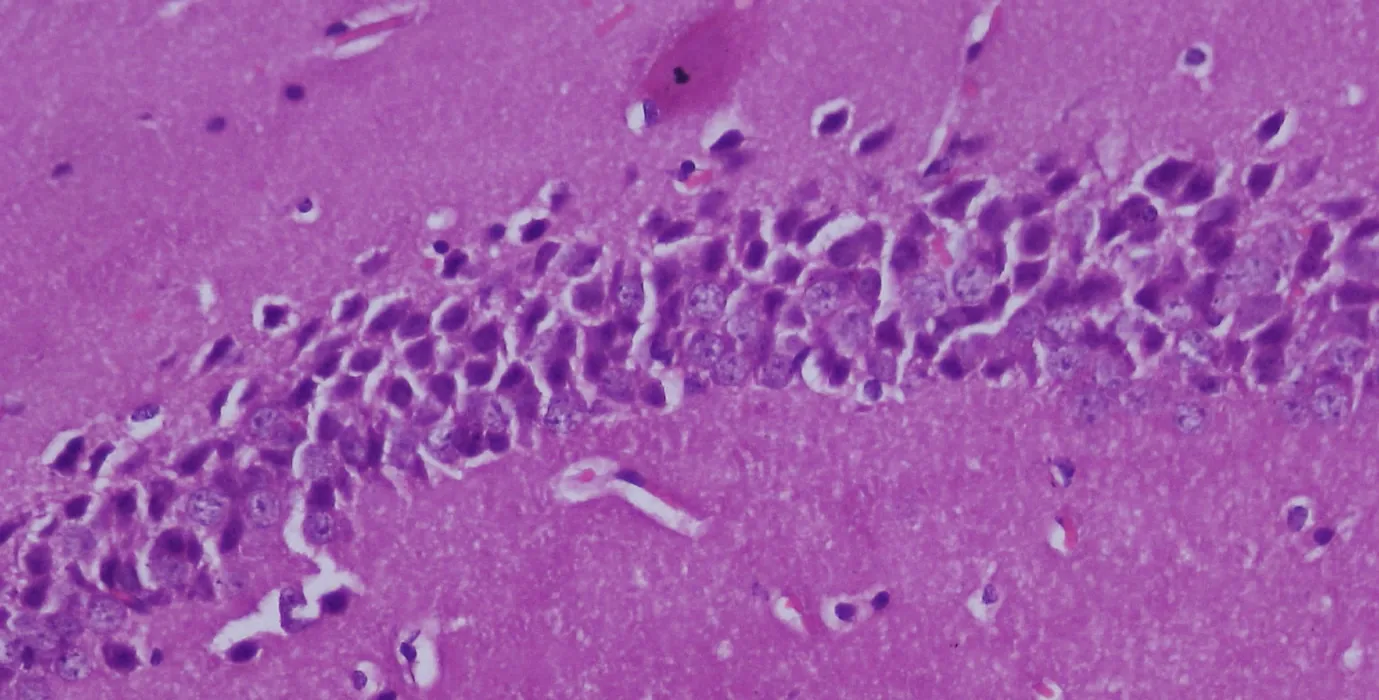
Partial improvement
Hyperchromatic and apoptotic neurons, few normal cells
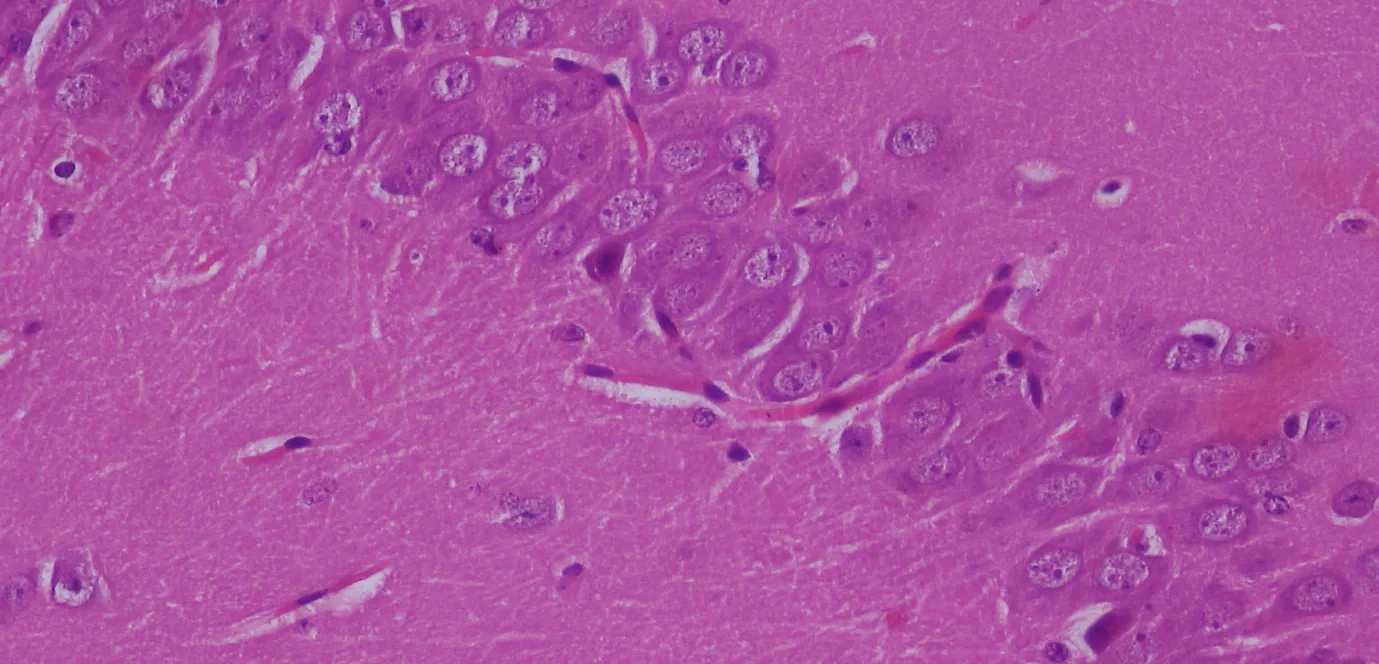
Closest to control
Densely packed pyramidal neurons with basophilic cytoplasm, vesicular nuclei and Nissl granules; occasional ghost cells
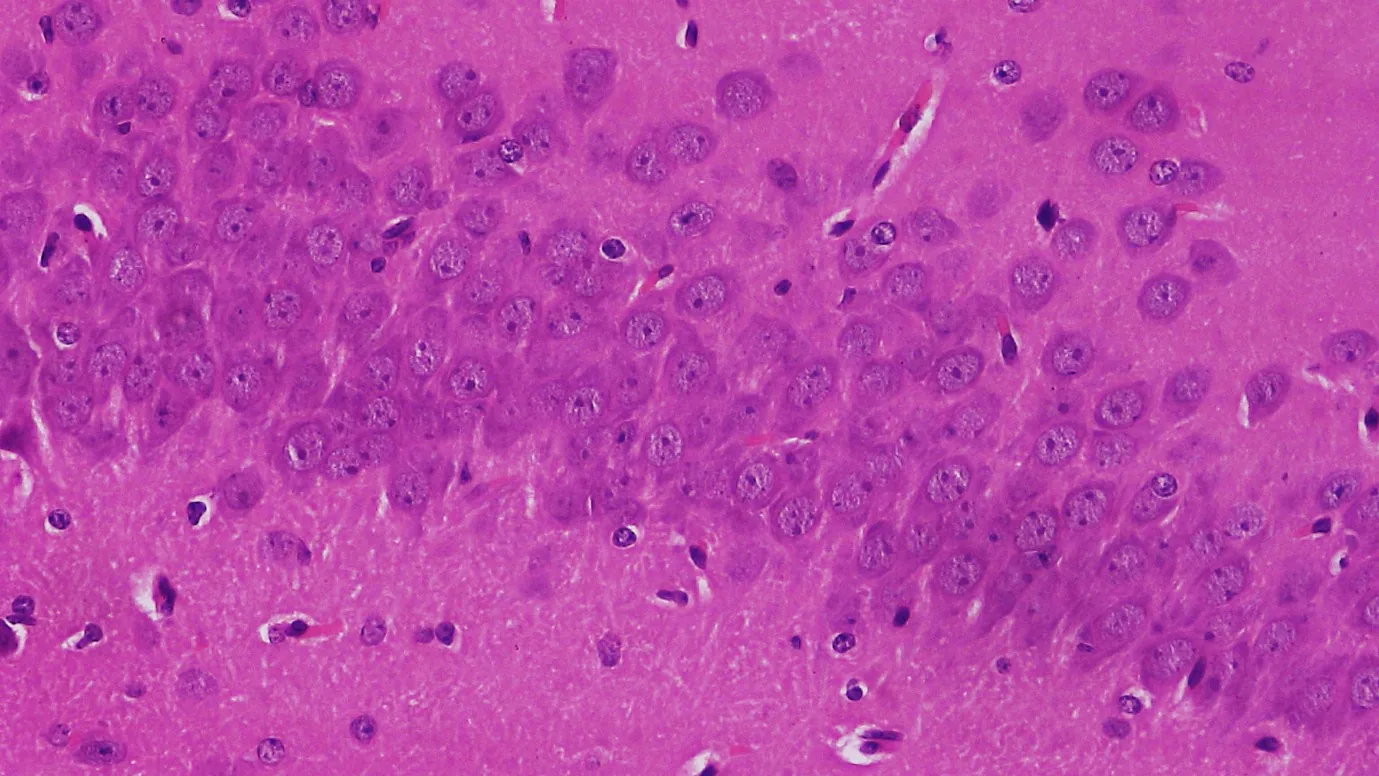
Marked improvement
Many vesicular nuclei; few pyknotic and ghost cells
Thank you
Prof. Dr. Wafaa Mahmoud Abdel-Rehim
Assist. Prof. Dr. Rasha Abd El-Mottleb EL-Tahan
Assist. Prof. Dr. Shimaa Abdel Raheem Mahmoud
Dr. Rana Hassan Mahmoud Hassan Khafaga
Prof. Dr. Wafaa Mahmoud EL-Sayed Abdel-Rehim
Prof. Dr. Nagwa Mohamed Assem
Prof. Dr. Hussein Khamis Hussein
Assist. Prof. Dr. Shimaa Abdel Raheem Mahmoud
Histopathology: Dr. Noura Matar, Department of Cell Biology and Histochemistry